
Current Projects
Current projects range from research projects to curated exhibitions, as well as from independent book projects to multifaceted collaborative projects with artists and cultural producers.

Ghost of the Past

Art and AI

Elasticity

Flowers from Svalbard

Center North
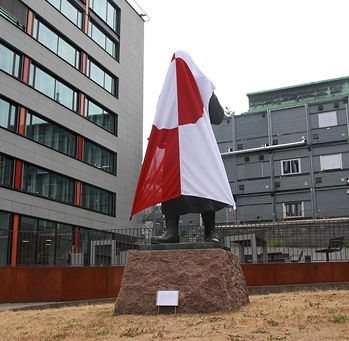
Ghost of the Past? The (In)visible Hans Egede Monument at Trinity Church, Oslo
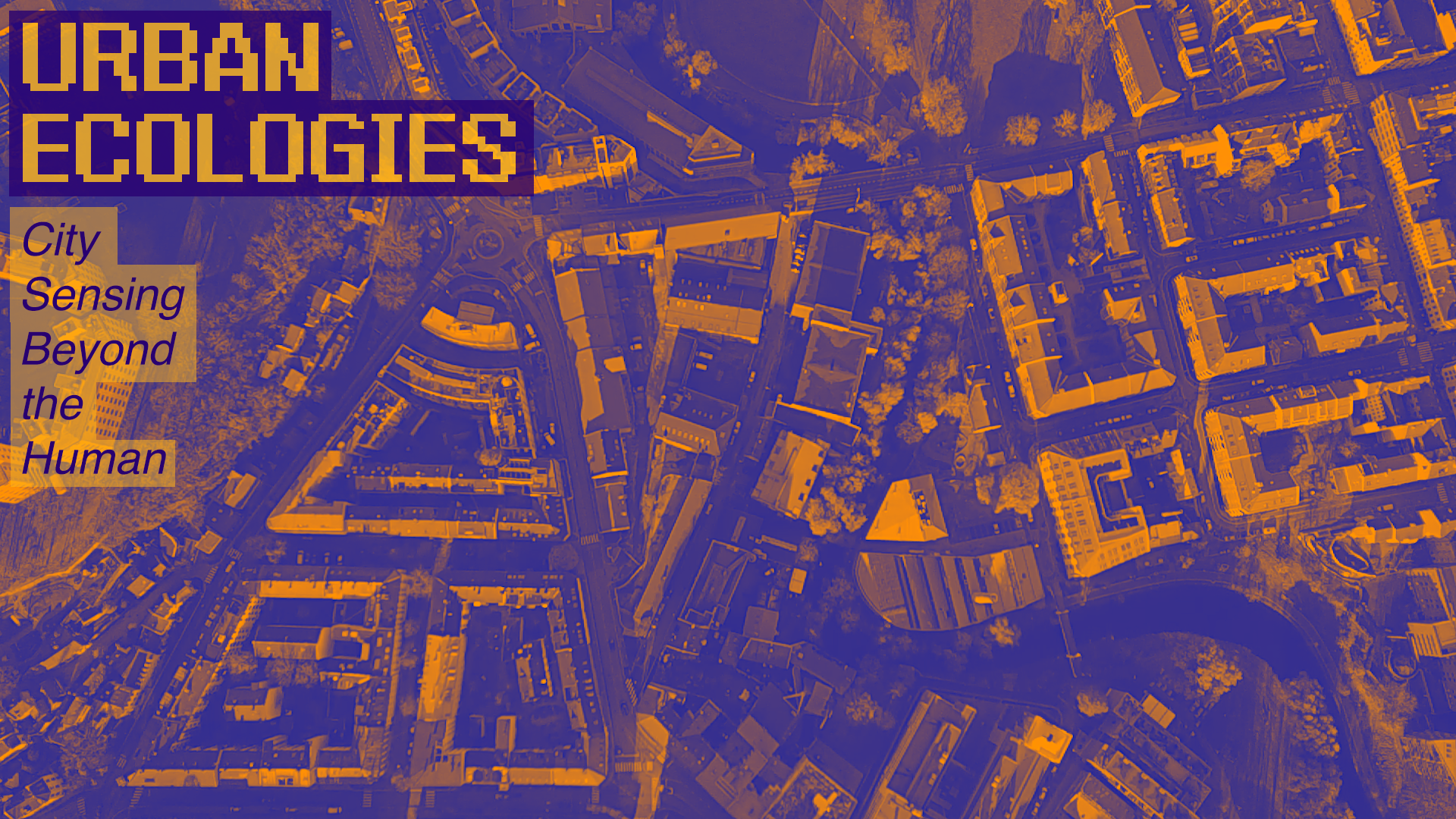
Ghost of the Past? is part of the Urban Ecologies collaborative research project that critically engages with data-driven urban development and the imaginaries of the “smart city.” Initiated by the artist duo Bull.Miletic, the project brings together artists, architects, designers, and theorists to produce alternative cartographies that probe, reframe, and dismantle mechanistic worldviews shaping urban life in the age of artificial intelligence and digital innovation.
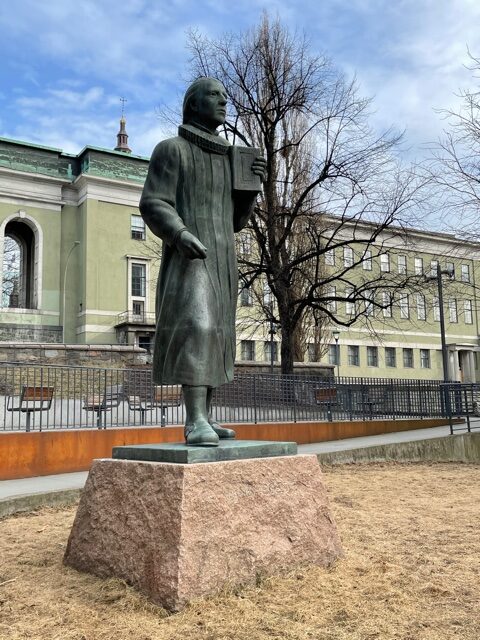
My Urban Ecologies contribution researches decolonial monumentality in the urban context of Oslo, more specifically the monument of Norwegian-Danish priest Hans Egede, erected in front of Trinity Church in 1965. Egede is credited with establishing the first mission in Greenland in the early eighteenth century. This marks to many the beginning of Greenland’s colonization. Today Egede is a controversial figure, worshipped on the one hand and condemned on the other. This controversial debate manifests itself in the sculptural manifestations of his persona: a newly produced copy of Oslo’s Egede statue was inaugurated at Harstad parish, Northern Norway only in 2008, while two other Egede statues, one in Nuuk and the other in Copenhagen, were sprayed with graffiti in June 2020 with the word “decolonize”. This iconoclastic act finds its parallels in many parts of the world, with the call to take down monuments representing colonizers, slave traders and human rights abusers. But so far Oslo’s Egede statue has gone under the radar, apart from one intervention taking place at the time I was presenting my research at the conference Boundaries or no Boundaries – Sculpture in the Intersection between Nationalism and Internationalism organized by Kulturbyrået Mesén, The Vigeland Museum and The University of Oslo (2023).
The Urban Ecologies project is now entering its next phase with a publication to which I will contribute a chapter. This chapter builds on my hypothesis that this monument, similar to many street and place names, today merely acts as an orientation marker in urban space. In reference to cultural historian Elizabeth Edwards, it has the status of “just-thereness” and is no longer consciously processed in relation to what it originally represents. It appears that it is neither perceived as relevant in the new regime of the digitalized urban space that filters what is (commercially) relevant for the user. Nor has it yet been “awakened” by a public that scrutinizes the ghosts of the past.
My project is kindly supported by the Norwegian Arts Council.
Art and AI
Art and AI in a process-oriented ecological perspective (Kunst og KI i et prosessøkologisk perspektiv )
Research project initiated by the research group AI Ecologies in collaboration with Synne Tollerud Bull (Kristiania University of Applied Sciences), Susanne Østby Sæther (The National Museum of Norway) and Eivind Røssaak (The National Library of Norway).
The project explores how artificial intelligence functions as an operational and decision-influencing component in artistic production processes. While AI is increasingly used in art, there is limited empirical knowledge about its impact on artistic production.
Drawing on Félix Guattari’s concept of three ecologies and recent work in media ecology and critical AI studies, the project proposes an eco-operational model that views AI not merely as a tool but as an epistemic, infrastructural, and operational environment.
Through case studies of four contemporary artworks, the project examines how AI reorganizes perception, decision-making, and temporality in artistic practice, influences workflows and collaboration, and operates as an infrastructural and ecological factor across scales.
The project is supported by the Norwegian Arts Council, together with seven other projects investigating the impact of AI in art.
Elasticity
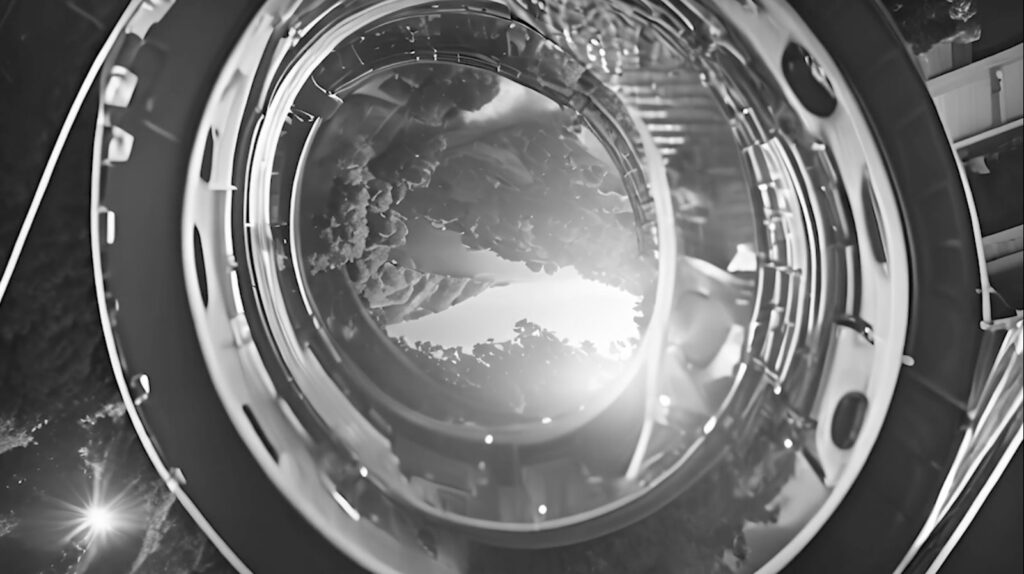
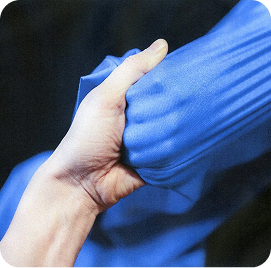
Elasticity — the capacity to stretch, adapt, and recover — is a defining quality of bodies, minds, identities, temporalities, and environments. This project explores elasticity across interconnected domains, combining art and cultural theory, science, philosophy and social analysis. It investigates how humans, societies, and ecologies navigate tension, transformation, and resilience in a world under pressure. It considers elasticity as a transversal, multidimensional concept, connecting body, mind, identity, temporality, and environment.
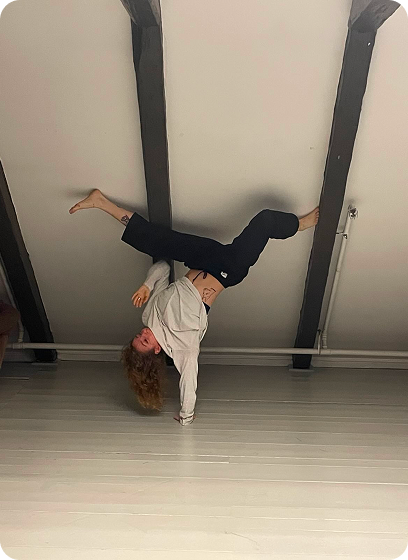
The project springs out from the PRAKSIS Oslo Residency R31 – Elasticity which I conceptualized and curated together with the artist and filmmaker Marte Aas. It brought together nine residents with different backgrounds within the field of art and culture, including artist and filmmaker Rebecca Jane Arthur, artist and filmmaker Åsa Båve, artist and choreographer Malin Bülow, artist and filmmaker Mai Hofstad Gunnes, dance and circus artist Felicia Hedman, sound-media artist, musician and educator Icaro Lopez de Mesa Moyano and visual artist Taylor Smith.
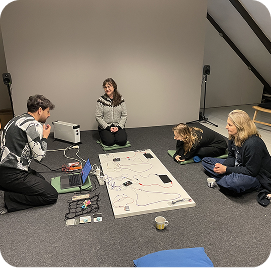
The group convened during a whole month in 2025 to engage with the notion and concept of elasticity through in-depth self-presentations, workshops (such as an elastic sound / electronics workshop or a soap workshop), reading seminars (with texts by María Lugones, Catherine Malabou, Hartmut Rosa, Marx/Engels), studio visits/artist meetings (visual artist Petrine Vinje, choreographer/artist Mette Edvardsen, artist Pawel Stypula/Dep.artment), presentations by invited guests (art and architecture historian Ingrid Halland, philosopher Kjetil Horn Hogstad, quantum physicist Anders Kvellestad, philosopher of science Gry Oftedal), film screenings (Kajsa Dahlberg, The Spiral Dramaturgy, Coenaesthesis – It Is Not Even True That There Is Air Between Us) and collective lunches and dinners
Flowers from Svalbard
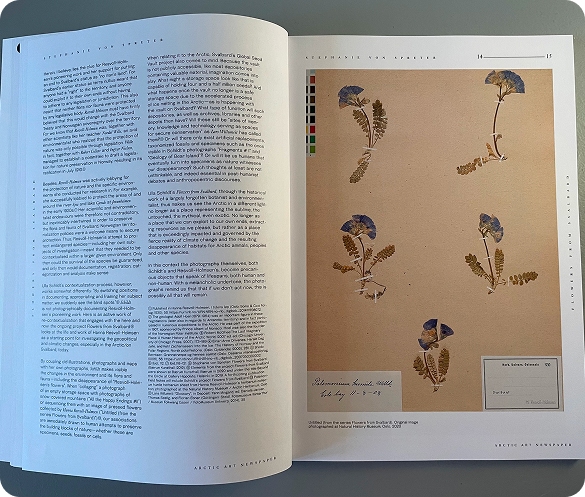
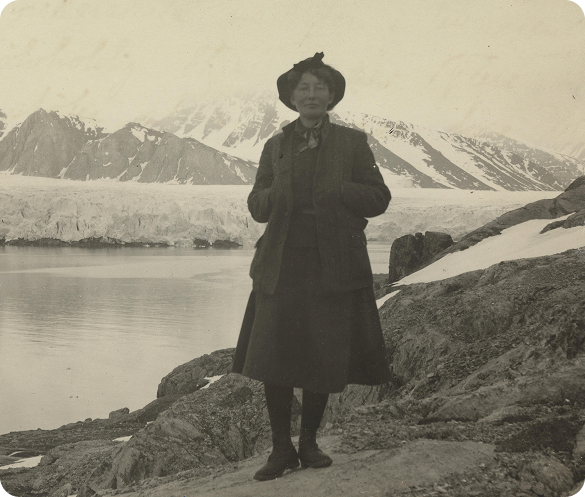
Flowers from Svalbard is part of a long-term project by artist Ulla Schildt which builds on her interest in how the far North has been represented, described and communicated throughout history. As part of this project Stephanie von Spreter and Schildt have continuously collaborated in relation to their common research interests in the North, and in particular the Norwegian botanist, environmentalist and photo pioneer (autochrome photography) Hanna Resvoll-Holmsen (1873-1943).
Resvoll-Holmsen was part of the research expedition to Svalbard on board the ship Princesse Alice sponsored by Prince Albert I of Monaco in 1907. During the past few years Resvoll-Holmsen’s scientific work and biography have received increased attention, amongst others in the publications Hanna Resvoll-Holmsen – natur bevart i bilder (The National Library of Norway, 2023), Hanna Resvoll-Holmsen – en arktisk pioner (Orkana Akademisk, 2023) and Polare kvinner. Norsk polarhistorie i kjønnsperspektiv (Orkana akademisk, 2022). A seminar at the Norwegian Polar Institute in Tromsø was dedicated to her on the occasion of her 150th birthday in 2023
For our research we travelled to the Museum of Oceanography in Monaco where we found plant specimens Resvoll-Holmsen had sent following the expedition to Svalbard in 1907, as well as written correspondences between Prince Albert I of Monaco and Resvoll-Holmsen, and letter addressed to the first director of the Museum of Oceanography. We visited Roald Amundsen’s villa in Svartskog, being Resvoll-Holmsen’s contemporary.
While it is unknown if they ever met, we speculated on how their lives would have crossed, and what would have happened at a meeting. During the past few years Schildt tracked down many personal and professional belongings by Resvoll-Holmsen, including objects and photographs at the collections of the University of Oslo and The National Library of Norway.
During the project, we participated in conferences and seminars to present our work and how this project brings together artistic and art historical synergies through a common object of research. These include participations at The Norwegian National Bi-annual Conference for Photography, Bodø, 2024 (Organizers: The National Library of Norway, Oslo / Preus The National Museum of Photography, Horten in collaboration with Arkiv i Nordland and Gallery Nõua) and the seminar Av Natur (From Nature) in 2023 (Preus – The National Museum of Photography, Horten) Exhibitions and publications with the works of Ulla Schildt were accompanied by texts written by Stephanie von Spreter, including the essay “Flowers from Svalbard” in the Arctic Art Newspaper 1. (Tromsø: Troms og Finnmark fylkeskommune, 2022).
The final stage of the project will be a photobook by Ulla Schildt to which Stephanie von Spreter will make a textual contribution, together with a text by Charlotte Sletten Bjorå (University of Oslo) and drawings by Camilla Malmqvist (to be published 2026/27).
Center North
CENTER NORTH is a book and exhibition project that critically explores how the circumpolar North has been represented through photographs and visual narratives from the late 19th century to the present day. Past and present geopolitics have exacerbated and exploited environmental destruction, depleted natural resources, adversely impacted cultural livelihoods and, increasingly, fueled transnational tensions related to land ownership in the region. CENTER NORTH focuses on major environmental and cultural changes, and on how photographs create, support, and challenge dominant narratives in a region that has a long history of being imagined from afar, mediated through an outsider’s lens and subjected to external geopolitical forces.
The project was co-conceptualized by Stephanie von Spreter together with Shannon Egan (Trout Gallery, PA), Marthe Tolnes Fjellestad (Perspektivet Museum, Tromsø) and Hege Oulie (Preus The National Museum of Photography). Stephanie von Spreter’s involvement is now foremost with the book project, that emerges parallel to the exhibition iterations in Tromsø, Pennsylvania and Horten, Norway (2027-2028).
The book project is kindly supported by Fritt Ord (The Freedom of Expression Foundation).
